
In this story
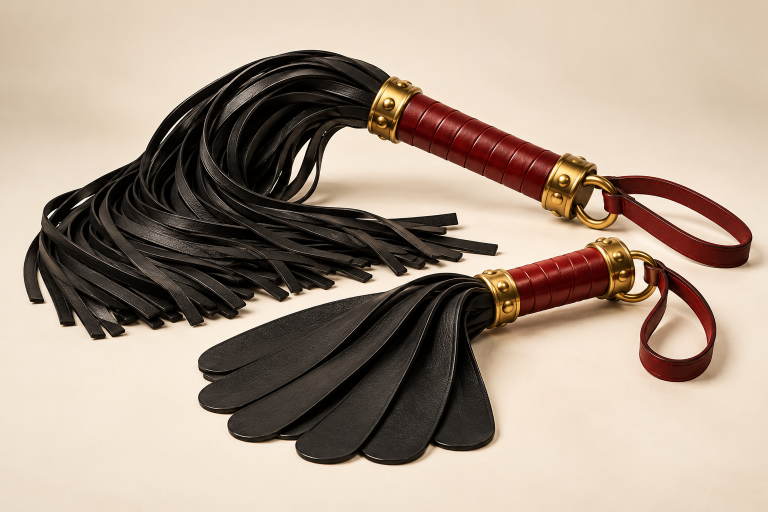
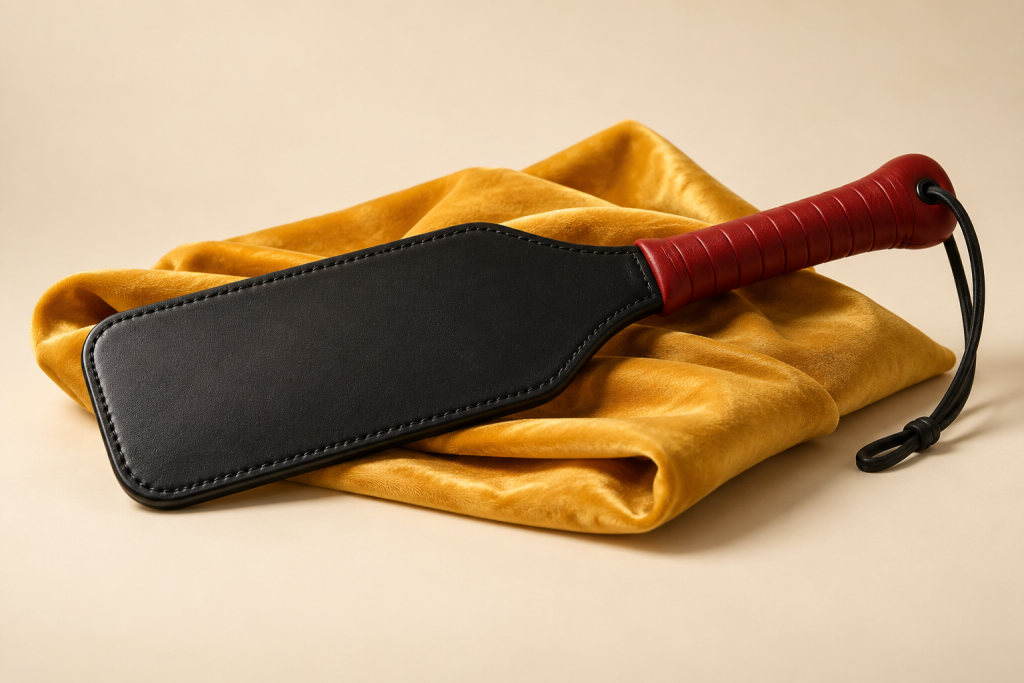
Spanking is a form of impact play involving agreed striking, commonly discussed as a kink between adults. People may be interested in sensation, a fictional scenario or the act’s symbolic meaning. It is not inherently part of every dominant/submissive relationship.
History and cultural context
Spanking has appeared in erotic literature and imagery, but its consensual history must be separated from punishment imposed without choice. The reviewed sources do not establish a distinct gay origin. A cultural association with discipline does not provide permission to recreate actual violence.
Why people practise it and what they enjoy
Some people enjoy anticipation, rhythmic interaction or focused attention. Others prefer the role-play meaning and little physical intensity. These experiences vary, and a person can like the fantasy while disliking being struck. Enjoying spanking does not establish a wish for humiliation or injury.
Safety considerations
Impact can cause bruising and injury. Medicines and medical conditions may increase bleeding risk; do not stop prescribed medication to take part. Avoid blows to the head, neck, spine and abdomen, and do not treat visible marks as a required outcome. Stop for unexpected pain, distress or injury and seek appropriate medical help.
Consent and ethical concerns
Discuss whether impact is wanted, the role-play context, marks and words that are unacceptable. A partner is not entitled to punish real disagreements through a scene. Check in rather than assuming endurance means enjoyment. Consent to one activity, one intensity or one occasion does not transfer to the next.
Sources and further reading
British Heart Foundation: Blood thinners and bruising
For adults aged 18 and over. This is an introductory educational guide, not personalised medical advice or practical training. Interests vary and are not shared by all gay men or exclusive to them.