In this story
Beard attraction can range from an aesthetic preference to a strong erotic interest in facial hair. A beard can be part of an individual’s style or community identity, but its presence does not reveal sexual role, temperament or availability.
History and cultural context
Facial hair has changing meanings across fashions and communities. In gay culture it can overlap with Bear identities and other presentations of masculinity. The sources consulted do not support a single origin for beard fetish, and a community’s history should not be reduced to a universal story about attraction.
Why people practise it and what they enjoy
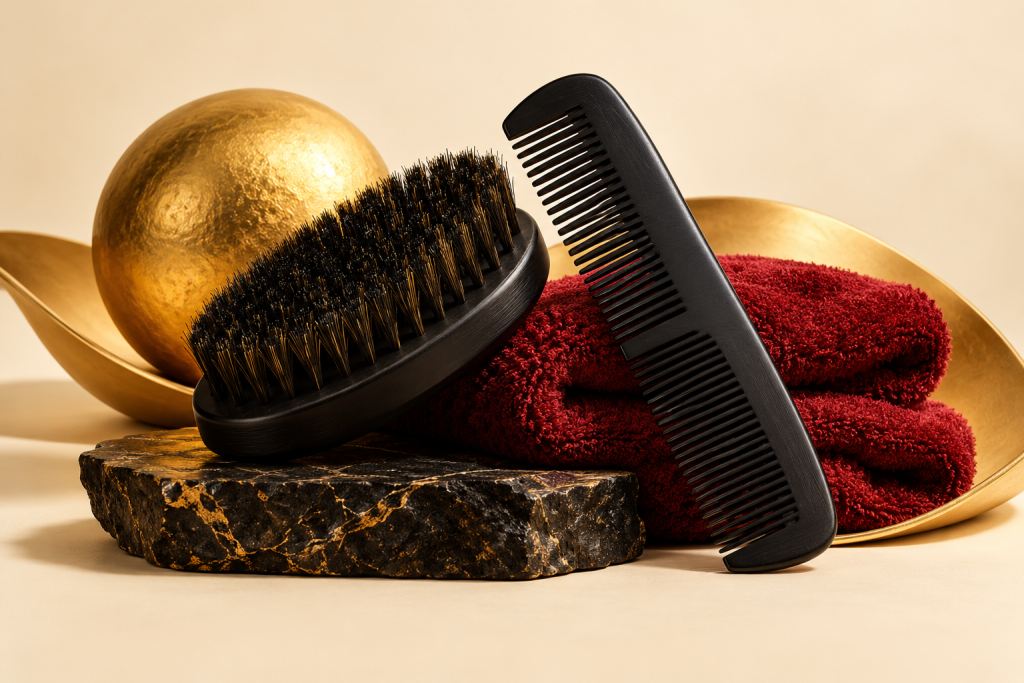
Shape, texture and the framing of a face may be appealing. Some people connect a beard with a particular partner or a feeling of familiarity. Others like grooming as a shared, nonsexual activity. These are possibilities rather than rules, and enjoying facial hair does not mean disliking other gender expressions.
Safety considerations
Close contact can irritate sensitive skin. Be considerate about roughness, sore areas and any active skin condition. Grooming products may cause contact dermatitis, so discuss sensitivities and avoid applying someone else’s oil or dye without asking. Painful hair pulling is not a harmless default form of affection.
Consent and ethical concerns
Permission to admire is different from permission to touch, tug, trim or photograph. A partner can change their appearance without owing an explanation or compensation. Avoid presenting beards as proof of age, maturity, dominance or manhood. A respectful compliment leaves space for the whole person and their own relationship with their appearance.
Sources and further reading
University of Brighton: Researching Bear community history
For adults aged 18 and over. This is an introductory educational guide, not personalised medical advice or practical training. Interests vary and are not shared by all gay men or exclusive to them.