In this story
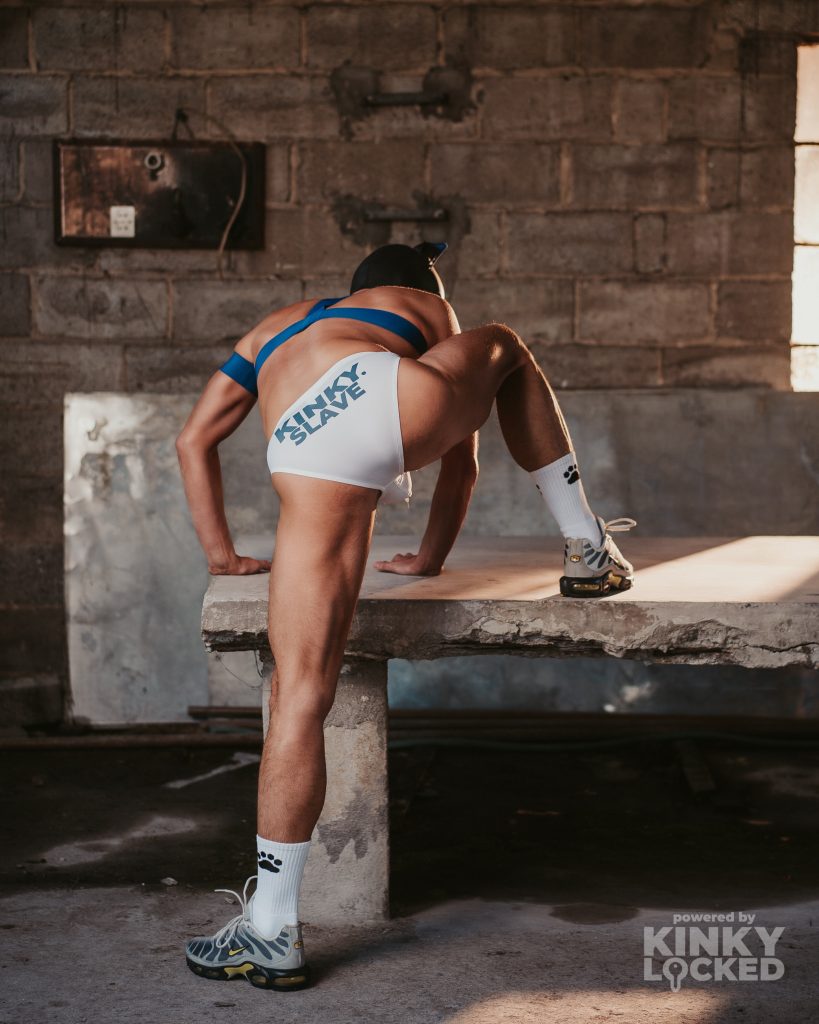
Lycra is a brand name associated with elastane, also called spandex. This interest involves stretchy clothing such as cycling wear, wrestling singlets or fitted sportswear. Attraction can concern the material itself, its appearance, or the sporting identity it suggests.
History and cultural context
The clothing’s sports and fashion history is easier to trace than a distinct fetish origin. There is no single founding event established by the sources consulted for this guide. Contemporary Lycra interests sit at the intersection of sportswear, body-conscious fashion and fetish communities; that context should not be mistaken for a proven explanation of an individual’s desires.
Why people practise it and what they enjoy
Stretch fabrics can create a sense of being dressed yet visibly outlined. Colour, smoothness and freedom of movement may be enjoyable. Sporting associations can support confidence or an imagined character without requiring someone to be an athlete. For some, collecting and styling outfits is the main pleasure.
Safety considerations
Choose a comfortable size and remove clothing that causes pain, numbness or skin irritation. Tightness is not evidence of safety or quality. Change out of damp clothing, follow laundering instructions and avoid sharing items during an active skin infection. Specialist compression garments should be used according to their intended purpose.
Consent and ethical concerns
Do not sexualise unwilling athletes or turn gyms and changing rooms into unagreed fetish spaces. Ask before taking pictures. Avoid body shaming and the assumption that only lean or muscular men can wear fitted clothes. A partner’s comfort matters more than achieving a particular visual effect.
Sources and further reading
Bishopsgate Institute: UK Fetish Archive
For adults aged 18 and over. This is an introductory educational guide, not personalised medical advice or practical training. Interests vary and are not shared by all gay men or exclusive to them.