In this story
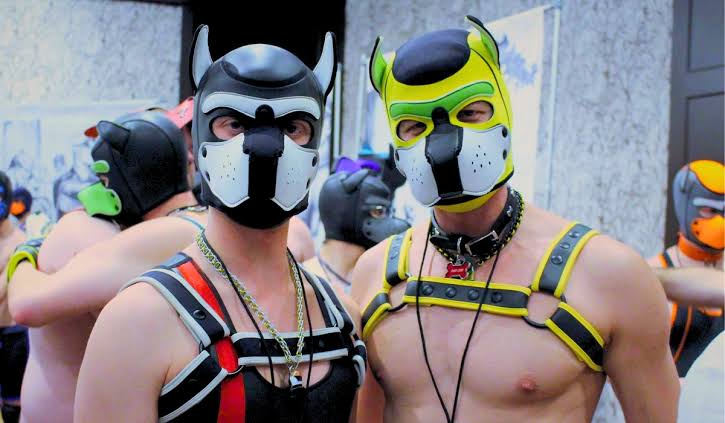
An adult pup persona can include a chosen name, colours or a playful way of presenting oneself. Some people use those details at community events; others keep them private. A name can support self-expression without becoming a rule about how someone must behave.
Identity within a varied community
Research on adult human pup play explores several meanings, including playfulness and community. It does not establish that every participant wants the same kind of character or relationship. A pup persona can be elaborate, minimal or absent. There is no need to copy someone else’s history, buy particular gear or adopt a handler dynamic to make a chosen identity legitimate.
Why a separate name can appeal
A person may like the creativity of inventing a character or the privacy of using a name separate from work and family life. Others prefer the continuity of their ordinary name. A nickname can feel affectionate in one context and uncomfortable in another. Ask how and where it should be used instead of assuming that a public profile settles every setting.
Choose details that leave room to change
Think about a name’s pronunciation, personal meaning and whether it reveals information you want to keep separate. Colours, a costume item or a simple character trait can be enough. You do not need an elaborate backstory. Avoid borrowing another participant’s recognisable identity in a way that creates confusion or presenting a persona as belonging to a community without their agreement.
Consent applies inside the persona
Playful behaviour does not make someone unable to decide for themselves. Ask before touching gear, giving instructions, using pet names or assigning a handler. Speak directly to the adult rather than automatically asking someone accompanying them. A persona should make expression easier, not provide an excuse for others to dismiss ordinary words, access needs or a clear request to stop.
Privacy and an identity that can evolve
Discuss photographs, tagging and whether different accounts should be linked. Removing a face from an image may not conceal a distinctive mask or name badge. A person can retire a name or change how they participate without owing a public explanation. Community recognition works best when it follows the individual’s current choices rather than freezing them in an earlier version of themselves.
Related guides
Pup Play: Adult Role-Play, Identity and Community
Pony Costume Gear: Performance, Fit and Freedom to Stop
Sources and further reading
Langdridge and Lawson: The Psychology of Puppy Play
For consenting adults aged 18 and over. Interests and identities vary; no topic is assumed to be shared by all gay men or exclusive to them. This educational guide does not replace individual medical, legal or financial advice.