In this story
Pup play is adult human role-play involving dog-like characters or behaviours. It can be sexual, social, playful or a combination depending on the people and setting. It does not involve sexual activity with animals, and not every pup has a handler.
History and cultural context
Research places contemporary pup play within overlapping kink and leather communities. A study first published online in 2015 explored gay and bisexual men’s experiences; later research examined a broader community sample. These studies document a developing scene, not a proven single date when pup play began.
Why people practise it and what they enjoy
Participants in qualitative research described varied appeals, including enjoyment, imaginative play and connection with others. Some value a temporary break from ordinary roles. Such reports describe people’s experiences; they do not establish pup play as a medical treatment or mean that every participant has the same motivation.
Safety considerations
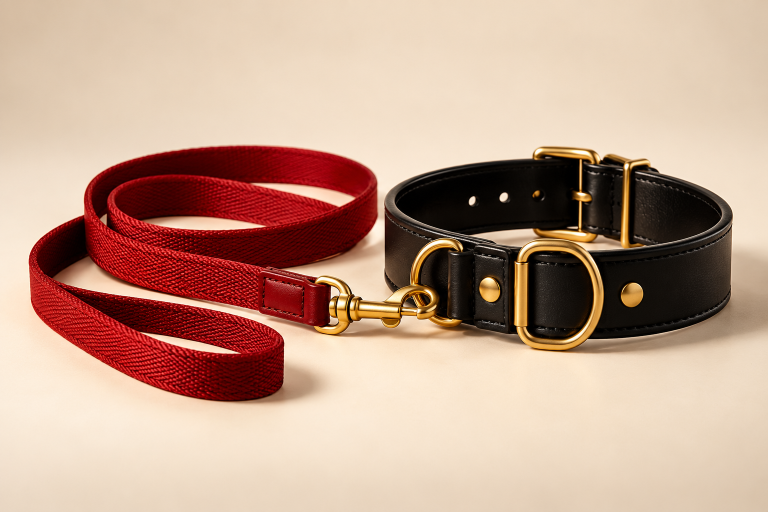
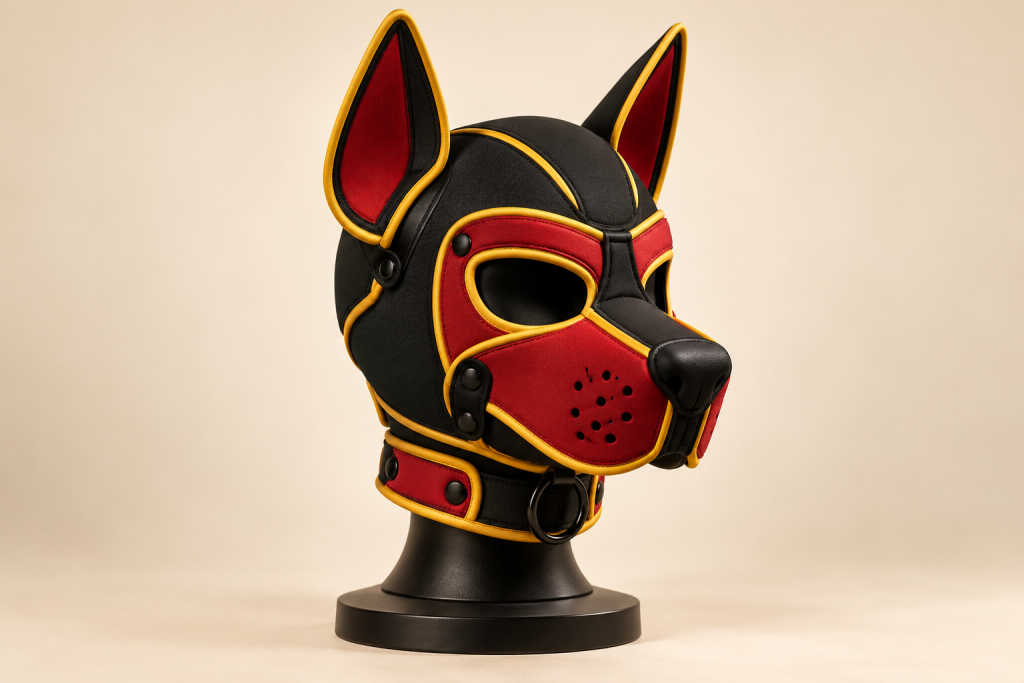
Protect knees, wrists and balance if moving on the floor, and adapt play to individual mobility. Hoods must not obstruct breathing or prevent communication. Avoid pulling on collars or leashes around the neck. Take breaks for heat, fatigue or discomfort, and do not assume enthusiasm removes the need for check-ins.
Consent and ethical concerns
Ask before touching gear, petting or issuing commands. A pup identity is not blanket consent to submission. Clarify whether an event is social or sexual, respect privacy and keep nonparticipants outside adult scenes. Expensive equipment, a breed identity or belonging to a pack is optional.
Sources and further reading
Wignall & McCormack: An exploratory study of pup play
Community survey of people who engage in pup play (2022)
Langdridge & Lawson: The psychology of puppy play (2019)
For adults aged 18 and over. This is an introductory educational guide, not personalised medical advice or practical training. Interests vary and are not shared by all gay men or exclusive to them.