In this story
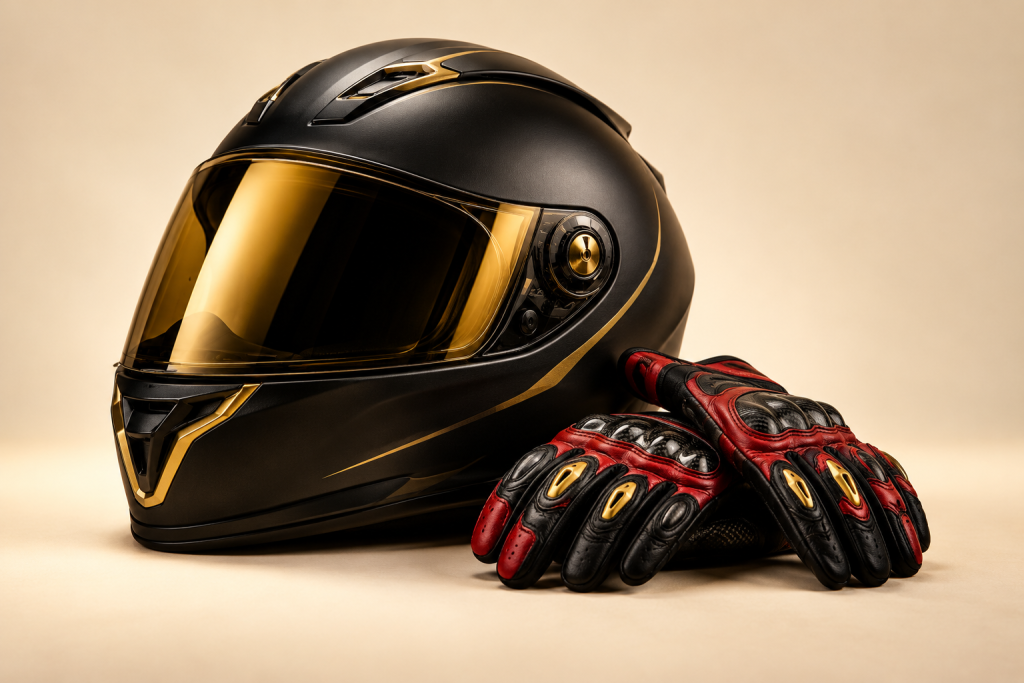
Biker gear fetish can involve motorcycle jackets, riding leathers, boots or the visual identity associated with riding. Some participants ride motorcycles and others do not. Enjoying the aesthetic does not require claiming membership of a motorcycle club.
History and cultural context
Gay leather culture’s links with motorcycle clubs are well documented. Bars, clubs and clothing helped create social networks in the postwar period. The gear’s erotic and community meanings developed alongside its practical function, rather than replacing it for everyone who wore it.
Why people practise it and what they enjoy
Weight, texture and a sense of adventure may contribute to the appeal. Clothing can evoke independence or a shared interest with a partner. For others, social rides and friendships matter more than eroticism. There is no need to perform toughness or conceal vulnerability to appreciate the look.
Safety considerations
Fashion gear is not necessarily certified protective riding equipment. If actually riding, use suitable equipment and follow road-safety requirements independently of the fantasy. Do not combine riding with impairment. Off the bike, remove gear that causes overheating or restricted movement and keep engines, fuel and hot exhausts out of intimate play.
Consent and ethical concerns
Respect the distinction between fetish styling and another group’s club identity. Patches, colours and symbols may carry meanings worth asking about. A rider is not consenting to attention by wearing leathers. No one should be pressured into riding, buying a motorcycle or taking risks to prove authenticity.
Sources and further reading
GLBT Historical Society: Leather primary sources
For adults aged 18 and over. This is an introductory educational guide, not personalised medical advice or practical training. Interests vary and are not shared by all gay men or exclusive to them.