In this story
A non-explicit adult scenario built around costume and an agreed inspection ritual, with practical limits on authority, touch and symbolism.
What an inspection scenario means here
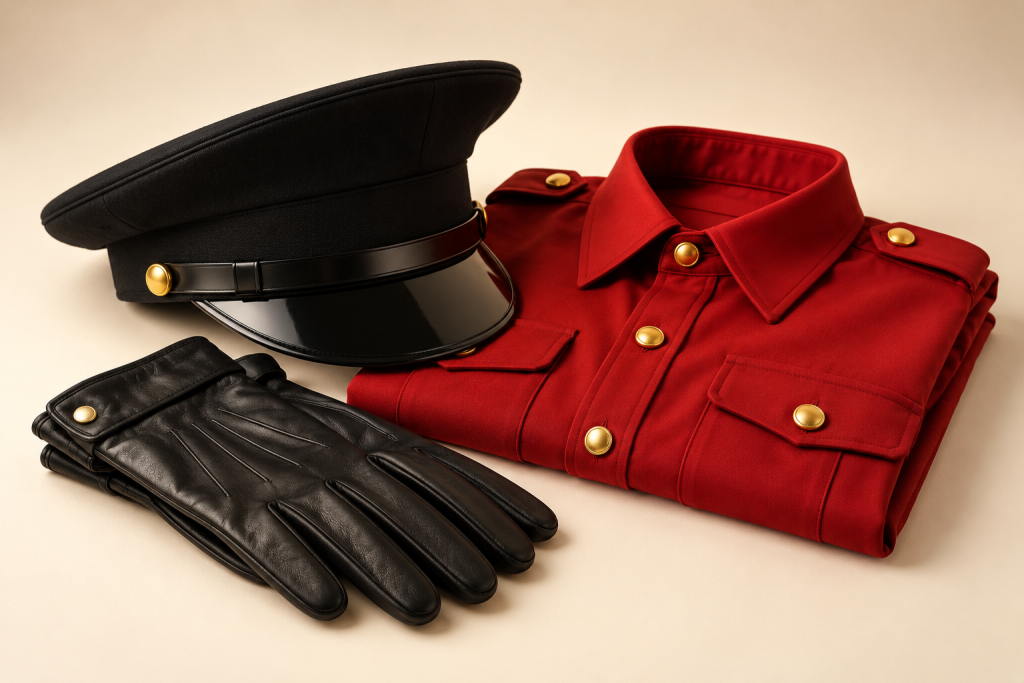
A fictional uniform inspection gives adults a structured reason to notice clothing, posture and presentation. One person might play an inspector and another a uniformed character preparing for an imagined occasion. The tone can be admiring, formal or gently comic.
The word inspection needs explanation before play starts. It might mean looking at a cap, checking a fictional dress standard or complimenting polished boots. It does not automatically include undressing, searching, touching or punishment. Those assumptions can change the experience completely.
A little cultural context
Uniforms have a documented place in gay visual culture. The Tom of Finland Foundation describes how the artist reworked military-inspired dress and other menswear into his imagery. That provides context for the aesthetic, not a claim that he invented uniform attraction or this particular scenario.
People respond differently to ranks and institutional symbols. An invented uniform can retain strong lines, polished details and ceremony while avoiding impersonation of a real organisation. There is no requirement to reproduce an actual service’s rules or history.
How to define the scene
Choose a fictional setting and a small number of agreed clothing details to focus on. Decide whether the inspector offers admiration, neutral observations or a playful rating. Specify what comments are welcome and whether either person prefers no evaluation of their body at all.
A simple structure is a character’s arrival, a brief visual review of the outfit and an explicit dismissal from the fictional appointment. Keep the endpoint predictable. The scene can remain entirely clothed and hands-off; a clear ritual can be engaging without additional activities.
Why ritual and presentation can be enjoyable
Some people enjoy careful preparation and having that effort recognised. Others like the formality of a temporary role, a chance to stand confidently or the contrast between a strong costume and a warm interaction. Clothing can communicate a character quickly, reducing the need for elaborate acting.
For another person, evaluation may feel uncomfortable even when the clothing is appealing. That is useful information, not an inability to role-play. These are possible reasons for enjoyment, rather than evidence that inspection is universally popular or that gay men prefer authoritarian dynamics.
Boundaries around authority and touch
Keep the rank fictional and the participants equal in real life. Avoid real police stops, military facilities, detention settings or interactions with personnel on duty. Do not use real weapons, intimidating replicas, restraints or threats as automatic additions to a clothing-focused scene.
Ask before adjusting a collar, moving an arm or touching boots. Keep medical devices, accessibility aids and personal documents out of the imagined assessment. Avoid any demand that a person must endure pain, remove something essential or accept body-shaming criticism to pass.
Discuss the meaning of insignia and symbols. Material associated with persecution can distress others and carries a history beyond costume. A generic invented design is often enough to create the desired atmosphere. Do not assume a private preference makes every public display appropriate.
Variations and the conversation afterwards
A welcoming version replaces assessment with an outfit presentation: each person explains a favourite detail and receives agreed appreciation. Another version swaps inspector and inspected at the end of a short round. These changes can reveal whether the attraction is clothing, ritual, authority or being noticed.
Finish by speaking as yourselves. Ask which comments were welcome, whether the duration was comfortable and whether anything felt unexpectedly personal. A shared ritual is only useful while both people can revise its meaning and step away from it.
Related scenario guides
Coach and Athlete Role-Play: Encouragement, Structure and Sportswear
Masked-Ball Role-Play: Mystery Without Losing Trust
Sources and further reading
Tom of Finland Foundation: Tom’s influence on fashion
For consenting adults aged 18 and over. These are educational scenario ideas, not explicit scripts, medical advice or professional training. No scenario is assumed to be common to all gay men or exclusive to them.