
In this story
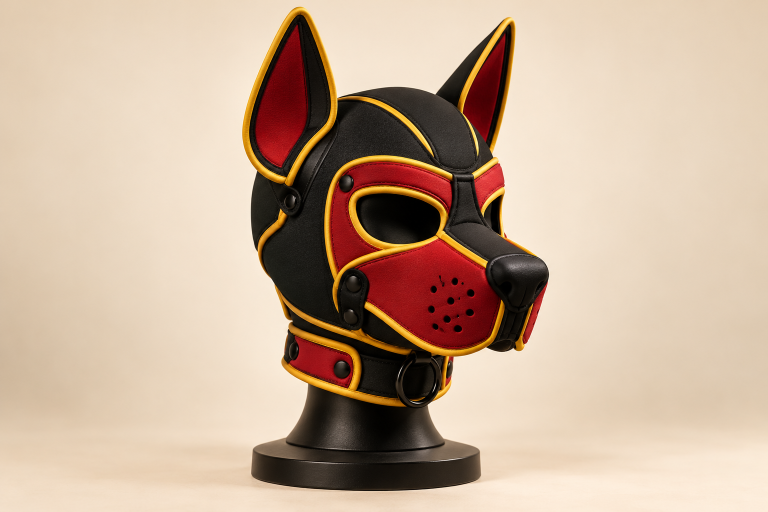
A handler is an adult who takes an agreed guiding or caregiving role in human pup play. Some handlers are dominant, while others prefer a supportive or playful relationship. There is no requirement that every pup have one or that a handler role be permanent.
History and cultural context
Research into puppy play has included both pups and handlers, describing the practice through lived experience rather than a formal universal rulebook. The available studies document different relationships and meanings. They do not establish a single founder or one correct historical handler protocol.
Why people practise it and what they enjoy
People may enjoy attentive care, shared imagination or the satisfaction of supporting a partner’s chosen role. A handler may value structure and communication; another may mainly enjoy games and companionship. Those possibilities do not mean a handler becomes a therapist or takes ownership of another adult’s decisions.
Safety considerations
Watch for fatigue, overheating, pain and communication difficulties. Gear should not obstruct breathing, and neck pulling is dangerous. Plan breaks and a clear way to leave character. Do not infer consent from nonverbal play or assume someone can signal easily through a hood. The handler’s own comfort and limits matter too.
Consent and ethical concerns
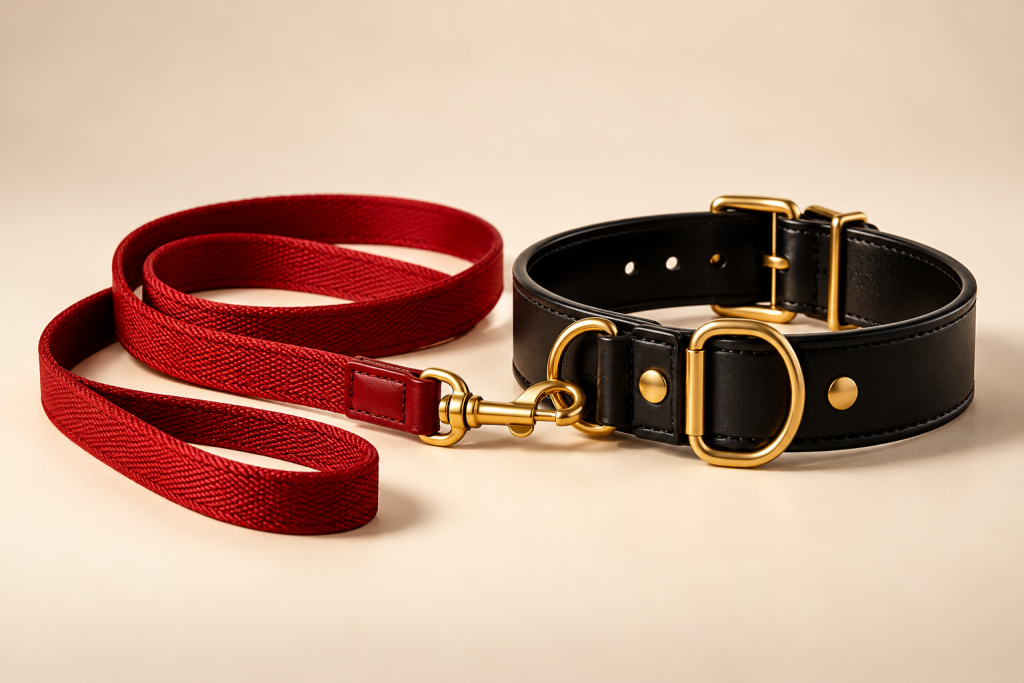
Negotiate who can give instructions, touch or join an interaction. A collar does not authorise strangers to act as handlers. Do not control access to friends, documents, money or healthcare under the language of care. Privacy, photographs and pack arrangements need their own agreements, and either person can change or end the relationship.
Sources and further reading
Langdridge & Lawson: The psychology of puppy play (2019)
Be Dog Have Fun: Pup subculture motivations (2024)
NHS: There is no safe way to strangle
For adults aged 18 and over. This is an introductory educational guide, not personalised medical advice or practical training. Interests vary and are not shared by all gay men or exclusive to them.