In this story
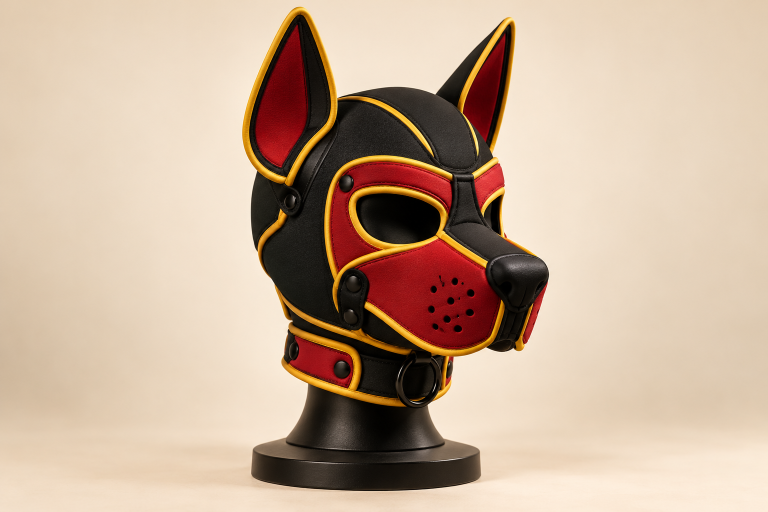
Pony play is adult human role-play using an equine-inspired character, clothing or performance. It may focus on presentation, movement or a chosen relationship dynamic. It does not require contact with real animals, and sexual activity is not a necessary component.
History and cultural context
Pony play is recognised within wider discussions of pet play and kink. However, historical accounts are often anecdotal, and the sources reviewed do not establish a precise origin or an exclusively gay lineage. It is more responsible to acknowledge that limitation than to present a colourful story as settled history.
Why people practise it and what they enjoy
People may enjoy costume, posture, theatricality or the satisfaction of practising a movement together. Others value a symbolic change of role or an attentive partner. Preferences vary, and someone may enjoy the visual fantasy while having no interest in restrictive equipment or physical exertion.
Safety considerations
Costumes can affect balance, vision and heat. Adapt movement to the person’s actual mobility and stop for pain or fatigue. Do not use human bodies for riding, pulling heavy loads or carrying another person. Avoid devices that obstruct breathing, strain teeth or apply pressure to the neck. An equestrian appearance is not evidence that equipment is suitable for human use.
Consent and ethical concerns
Consent applies to commands, touching, photography and each physical activity separately. Do not insist that staying in character means ignoring discomfort. Respect nonparticipants and real animals’ welfare. There is no required costume, body type or performance standard, and modifying a role for accessibility is valid participation.
Sources and further reading
Brown and colleagues: A survey of kink interest groups (2025)
NHS: Heat exhaustion and heatstroke
For adults aged 18 and over. This is an introductory educational guide, not personalised medical advice or practical training. Interests vary and are not shared by all gay men or exclusive to them.