In this story
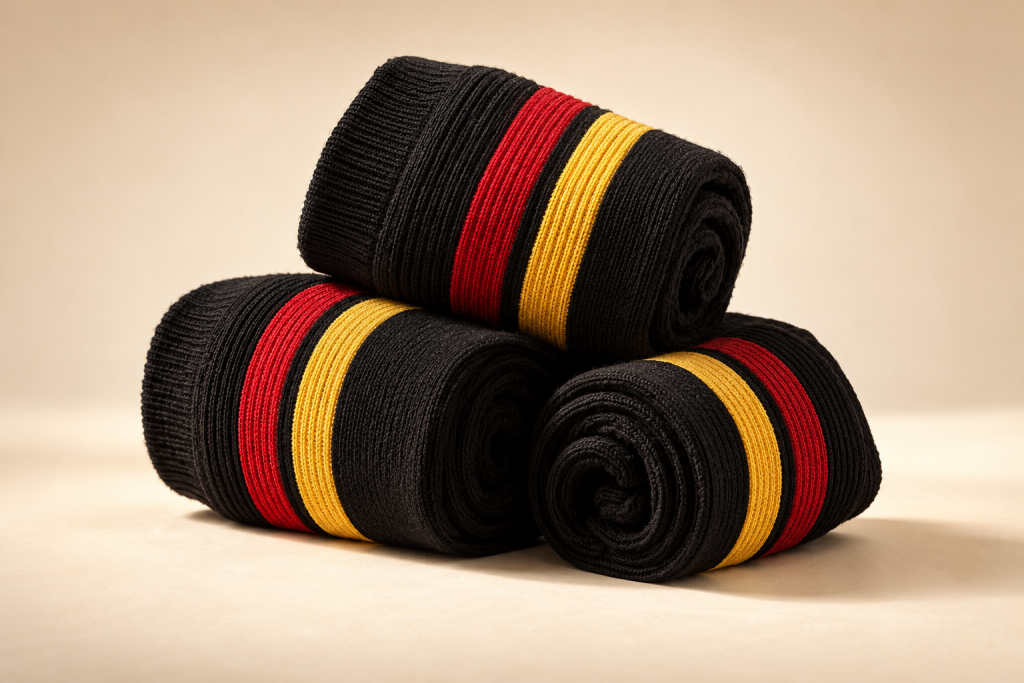
Sock fetish centres on socks and may overlap with interests in feet, trainers or sportswear. Some enjoy appearance and fabric; others associate a garment with a particular adult partner. These preferences do not automatically imply an interest in unwashed clothing.
History and cultural context
There is no securely established single origin for sock fetish in the sources reviewed here. Socks belong to both everyday dress and sports styling, which can provide cultural associations. That background is different from a documented history of when or why an individual attraction develops.
Why people practise it and what they enjoy
People may enjoy texture, colour, compression-like sensations or the contrast between an ordinary object and a private meaning. Wearing or exchanging a chosen garment can feel intimate. Others enjoy styling matching sportswear. No one needs to adopt a particular explanation or turn a preference into a permanent identity.
Safety considerations
Clean, dry socks help protect skin. Sharing items during an active fungal infection can be problematic, and persistent itching or damaged skin deserves attention. Tight elastic should not cause pain, numbness or coldness. Do not use socks to block breathing or as improvised restraints.
Consent and ethical concerns
Exchanges require the owner’s explicit agreement. Taking garments from a partner, gym or workplace without permission is not consensual play. Make expectations about washing, privacy and payment clear in advance. Neither a pair of sports socks nor an online photo amounts to an invitation for fetish comments.
Sources and further reading
For adults aged 18 and over. This is an introductory educational guide, not personalised medical advice or practical training. Interests vary and are not shared by all gay men or exclusive to them.