In this story
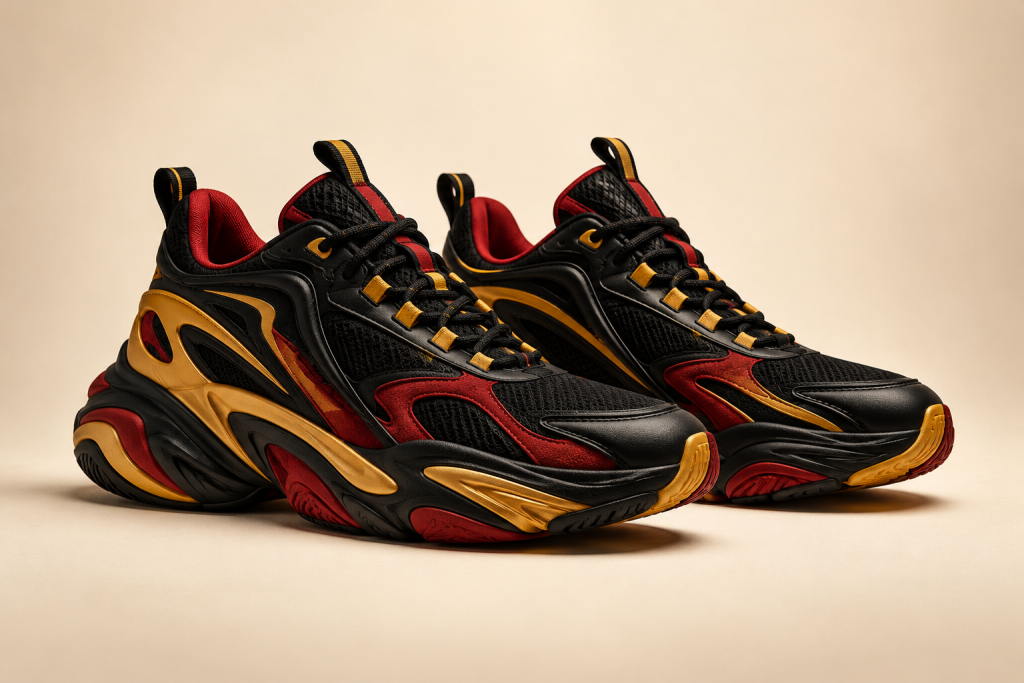
Trainer or sneaker fetish involves attraction to athletic footwear. Design, colour, wear, scent or sporting associations may be central. A person can be a sneaker collector without having a fetish, and a fetish does not require collecting rare or expensive shoes.
History and cultural context
Sports footwear has a broad fashion history, but the sources consulted do not establish a single origin for its erotic use among gay men. It is more accurate to describe overlapping interests in footwear, sportswear and personal style than to assign an unsupported date or founder.
Why people practise it and what they enjoy
Enjoyment may come from particular silhouettes, materials or memories. Someone might like how trainers complete an outfit, the intimacy of an item associated with a partner, or the ritual of looking after a collection. Scent preferences are individual and should not be treated as proof of compatibility.
Safety considerations
Footwear and socks can harbour organisms associated with skin infections. Avoid sharing during active infection, keep feet dry and seek treatment for persistent symptoms. Do not put cleaning chemicals or dirty soles into contact with mouths or damaged skin. Treat unusual pain, swelling or irritation as a reason to pause.
Consent and ethical concerns
Never photograph feet or footwear in a way that intrudes on someone’s privacy. Ask before taking, smelling or exchanging another person’s possessions. Discuss hygiene expectations honestly, including in sales. Brand loyalty, income and a supposedly ideal athletic body should not become tests of who belongs.
Sources and further reading
For adults aged 18 and over. This is an introductory educational guide, not personalised medical advice or practical training. Interests vary and are not shared by all gay men or exclusive to them.