
In this story
Uniforms can suggest discipline, competence, teamwork or ceremony before anyone says a word. For some gay men that symbolism becomes part of a fetish interest. Understanding the difference between an imagined character and a real institution makes uniform-based play clearer and more respectful.
Cultural background
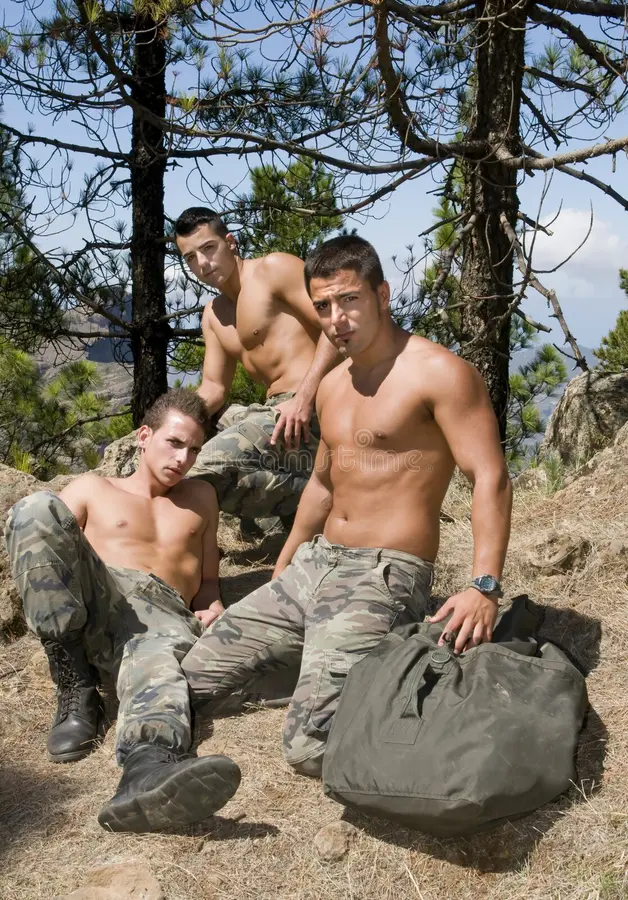
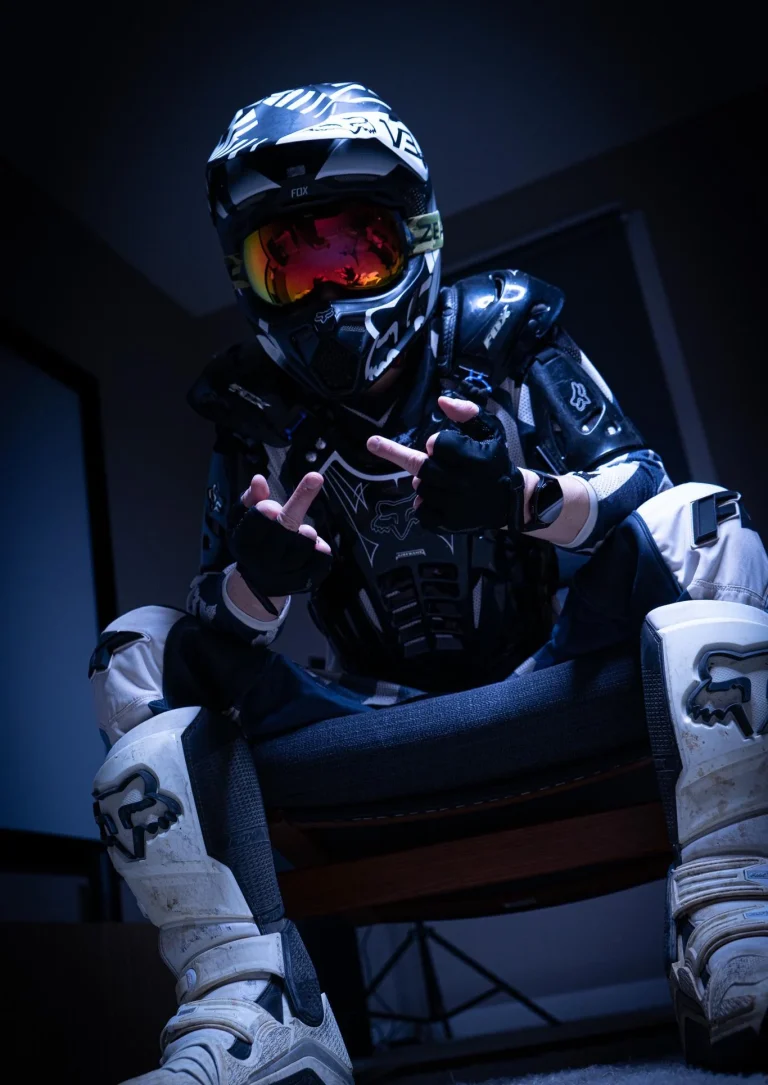
Workwear and uniform imagery appear in gay visual culture alongside leather and biker clothing. Such images can exaggerate conventional masculinity, celebrate it or play with it. They are cultural references rather than proof that all gay men share the same attraction. Archives can show how clothing was represented; they cannot establish a universal explanation for why a particular person enjoys it.
Different meanings within one category
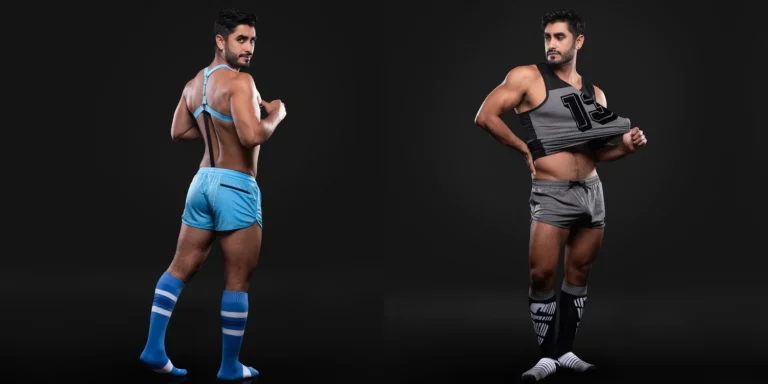
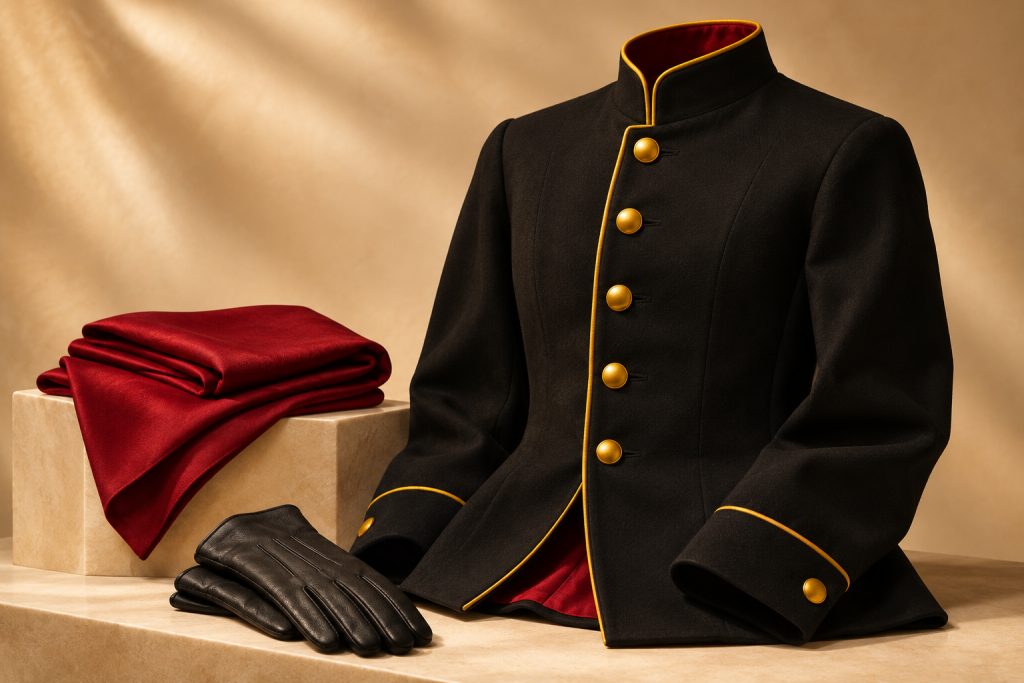
A sports jersey may evoke belonging, a work jacket practical competence, and a ceremonial costume formality. The same item can mean something quite different to its wearer and its admirer. Ask which aspect matters instead of assuming that every uniform interest is about orders or punishment. Someone may simply like a cut, fabric or polished appearance.
Turning symbolism into an agreed character
If adults choose to role-play, give the character a fictional setting and decide how much authority exists inside it. Select names and titles both people welcome. Set aside actual employment, immigration, housing and professional obligations. A person should never have to please a real supervisor or official to protect their livelihood, treatment or access to services.
Practical and ethical boundaries
Use ordinary costume pieces rather than weapons or equipment that can injure someone. Do not present yourself as an actual official to obtain access, compliance or personal information. Rules about impersonation and restricted insignia vary by place, so check local requirements when an outfit could be mistaken for genuine authority. Avoid symbols that a partner associates with persecution or trauma.
Public spaces and other people
A uniform can attract attention without inviting participation. Keep any role-play within a setting where those involved have agreed to it; service workers and passers-by are not an audience by default. Ask before including another person in an image or sharing a recognisable location. The attraction can remain playful while the wearer retains complete control over touch, language and visibility.
Continue exploring
Biker Gear Fetish: Clothing, Culture and the Open Road
Sources and further reading
Bishopsgate Institute: UK Fetish Archive
Leather Archives & Museum: What is Leather?
National Coalition for Sexual Freedom: Consent Counts
For consenting adults aged 18 and over. Educational information; individual interests and boundaries vary. A cultural source does not establish how common an interest is or replace personal health advice.